
B1+ Language Level Tracker(Can do tracker)
Organization: Sarah

Course Description
A language level tracker based on CEFR (Common European Framework of Reference for Languages) "Can Do" statements is an effective tool to monitor and assess language proficiency. The CEFR framework defines six levels (A1, A2, B1, B2, C1, C2), describing abilities in listening, reading, writing, and speaking. Students can use these "Can Do" statements to evaluate their skills and track progress. Learners must check and submit each statement only if they are confident they can perform the task described. Honesty is crucial when self-assessing, as overestimating abilities can hinder learning and result in misplaced levels. Once students have achieved 80% of the "Can Do" statements for a level, they can request a formal level test by email. This tracker encourages accountability, fosters motivation, and ensures a structured learning process, aligning progress with global language standards and enabling clear, measurable language development.
Course Overview
Which web browser can I use to view this? Our edX courses are best viewed on the latest versions of Chrome, Firefox, and Safari, or on Internet Explorer version 9 or later.The method used to assess language proficiency is based on the Common European Framework of Reference for Languages (CEFR), specifically utilizing its "Can Do Statements," which is recognized as an excellent way to track progress. The CEFR organizes proficiency into six levels (A1, A2, B1, B2, C1, and C2) and assesses competence across the four core skills: listening, reading, writing, and speaking. For effective self-assessment, students should only confirm a level if they are genuinely confident in performing the associated tasks, as honesty is crucial to avoid inaccurate assessments and hampered learning. Furthermore, when a student achieves 80% of the "Can Do Statements" for a level, they are eligible to contact the institution via email for an examination or skill test. Ultimately, this standard empowers students to take responsibility, stay motivated, and learn in a structured way, contributing to measurable language improvement that aligns with global standards.
Frequently Asked Question (FAQ)
Instructors
-

Rinchen Dolma is from Shillong and holds a B.A. in Tibetan Studies from the College for Higher Tibetan Studies, Sarah. She possesses over five years of dedicated experience teaching Tibetan as a second language to students at the foundational levels (A0 – A2+). Her teaching focuses on building a strong command across all four language skills—reading, listening, writing, and speaking—through a practical application approach that is carefully tailored to each student’s specific needs. Her primary goal is to foster confidence in using Tibetan.
-
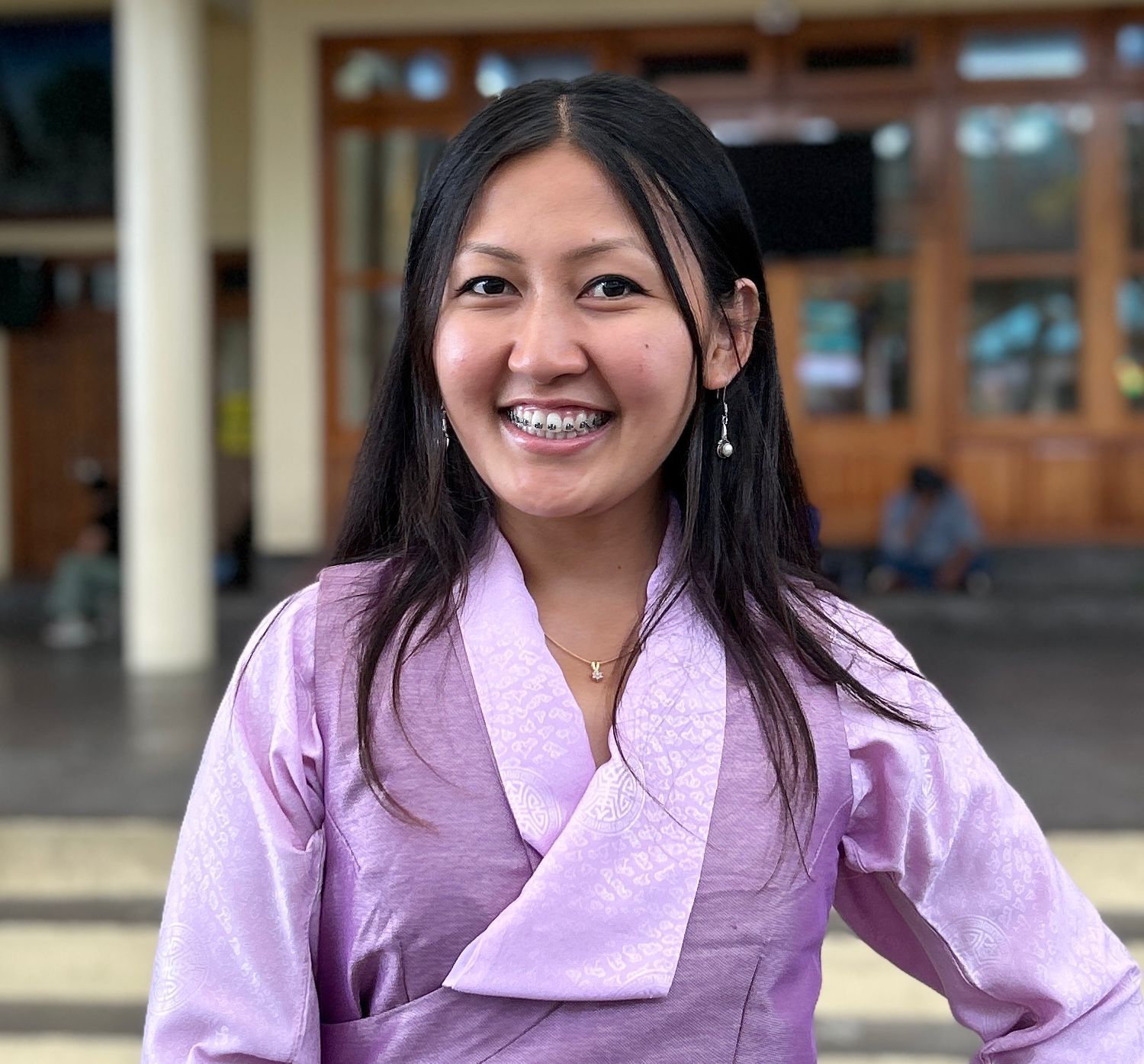
Kunga Choeyang holds a Bachelor’s degree in Tibetan Studies from the College for Higher Tibetan Studies, Sarah. A native Tibetan speaker fluent in English, she has extensive experience teaching students at the A0 – A2+ level through the Sarah Online School. She is passionate about guiding learners to discover the richness of Tibetan language and culture and believes that “behind every great student is a special teacher.